
5 Signs of Burnout in Women (And What Actually Helps)
Burnout is not a badge of honor.
But somewhere along the way, we started ignoring it so we can keep paying our bills, our life on false tracks and faking it to appear like we are making it.
The truth is, burnout is your body's way of saying: this pace is not sustainable. This way of living is asking too much.
And if you're a high-achieving woman who's spent years being capable, dependable, and strong, you might not even recognize burnout when it's happening to you.
Because burnout doesn't always look like collapsing in bed for days (though it can). Often, it shows up as a quiet erosion of your presence, your joy, and your ability to trust yourself.

Here are 5 signs you're experiencing burnout and what actually helps.
1. You're Functioning, But You're Not Present
You can still do your job. You can still show up for meetings, answer emails, take care of others.
But internally? You feel like you're watching your life from behind glass.
You're going through the motions, but you're not really there. Conversations feel effortful. Decision-making feels impossible. You can't remember the last time you felt genuinely excited about anything.
What's happening:
Your nervous system has shifted into survival mode. You're operating from your sympathetic nervous system (fight-or-flight) or dorsal vagal shutdown (collapse). You're functional, but you're not regulated.
What actually helps:
Nervous system regulation practices: breathwork, somatic movement, grounding techniques. REST. Not more productivity hacks. Not pushing through.
2. You Can't Say "No" Without Guilt
Even when you're at capacity. Even when saying yes means sacrificing your own well-being.
You've built your identity around being reliable, capable, and helpful. And the thought of disappointing someone feels worse than disappointing yourself.
So you keep saying yes. And the resentment builds. And the exhaustion deepens.
What's happening:
This is a nervous system pattern—often inherited. Your body equates safety with being useful. Being needed. Being "good."
What actually helps:
Ancestral healing work to understand where this pattern came from. Somatic practices to help your body learn that safety doesn't require self-sacrifice. And radical permission to prioritize your own needs without performing guilt.
3. Your Body Is Sending Signals You Keep Ignoring
Headaches. Digestive issues. Insomnia. Panic attacks. Chronic pain. Immune issues.
You've tried addressing them symptom by symptom—better sleep hygiene, medication, supplements, therapy, exercise routines. But nothing sticks because you're treating the symptoms, not the root cause.
What's happening:
Your body is not separate from your mind. When your nervous system is chronically dysregulated, it manifests physically. This is not "all in your head.” It's in your body, and your body is trying to tell you something.
What actually helps:
Somatic healing practices that address trauma and stress in the body, not just the mind. Elemental and plant medicine ceremonies (when appropriate and safe) to access deeper layers of healing. And actually listening to what your body is saying instead of overriding it.

Water is a powerful element for clearing our energy
4. You've Lost Touch With Your Own Ambitions
You used to know what you wanted. But now? You're not sure if your goals are actually yours or just what you've been conditioned to want.
Success used to feel clear. Now it feels hollow.
You're achieving things, but they don't bring the satisfaction you thought they would. And underneath it all is a quiet question: Is this it?
What's happening:
You've been performing a version of yourself for so long that you've lost touch with the truth underneath. You're living by external validation instead of internal knowing.
What actually helps:
Slowing down enough to ask: What do I actually want? Not what I should want—what do I want? This requires space, silence, and often ceremony or plant medicine work to cut through the conditioning and access your deeper truth.
5. You're Exhausted, But You Can't Rest
Even when you have time off, you can't relax. Your mind races. Your body feels wired. You feel guilty for resting. Or you rest, but it doesn't feel restorative—you wake up still tired.
What's happening:
Your nervous system is stuck in overdrive. You've trained your body to equate productivity with safety, so rest feels dangerous. Your body literally doesn't know how to turn off anymore.
What actually helps:
Nervous system regulation work—learning how to downregulate without needing to collapse first. Somatic practices like breathwork, movement, and co-regulation (being in safe, witnessed spaces with others). And giving yourself permission to rest before you break.
What Actually Helps: The Real Work of Burnout Recovery
Here's what doesn't work:
❌ More self-care tips
❌ Better time management
❌ Just pushing through
❌ Waiting for a vacation to "reset"
Burnout recovery isn't about adding more to your plate. It's about fundamentally changing your relationship with your nervous system, your body, and the patterns you've inherited.
What does work:
✓ Nervous system regulation – Learning how to move from survival mode to presence
✓ Somatic practices – Healing trauma and stress where it lives: in the body
✓ Ancestral healing – Understanding and releasing inherited patterns of overwork, people-pleasing, and self-sacrifice
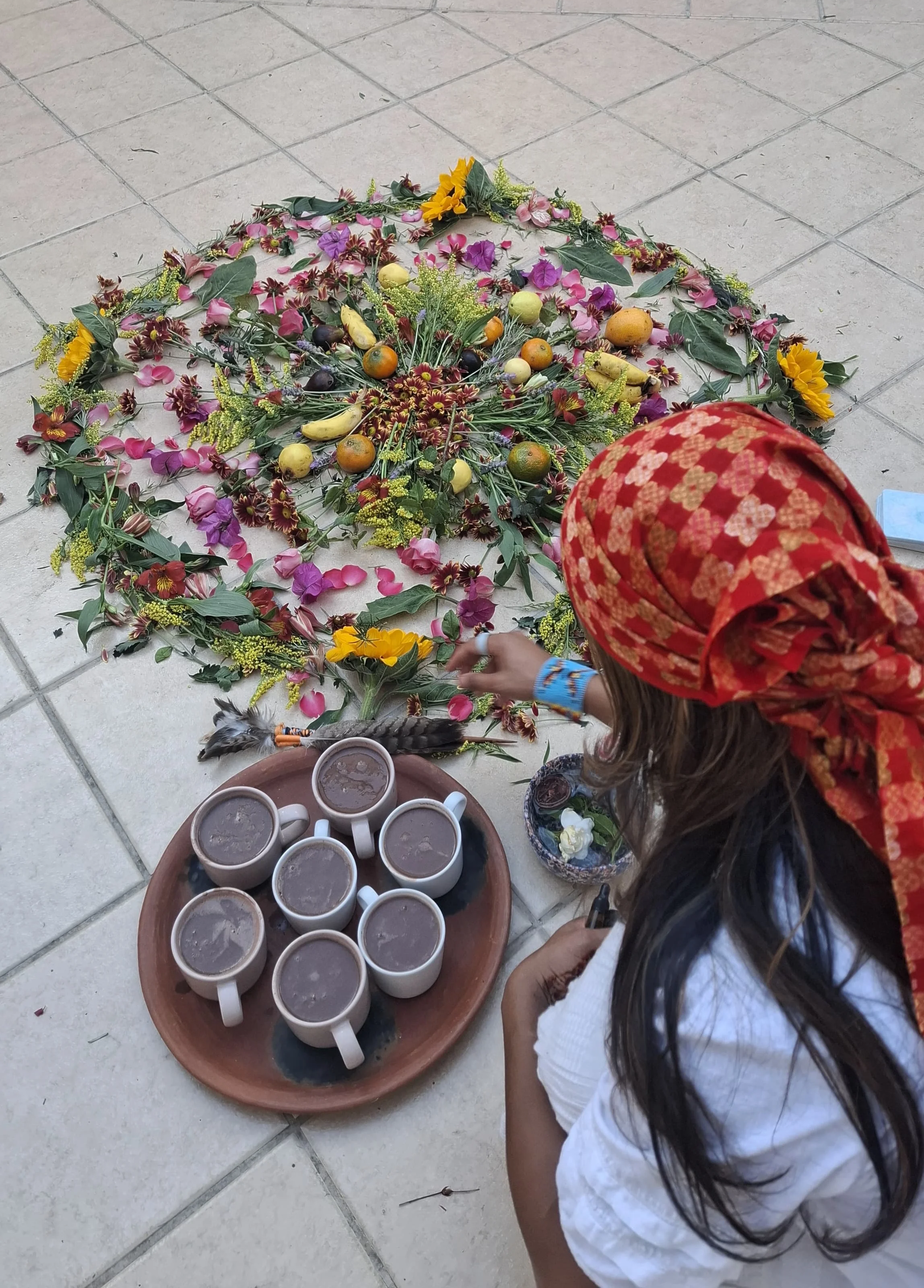
✓ Elemental & plant medicine ceremonies – Accessing deeper layers of truth and dissolving what no longer serves (when safe and appropriate)
✓ Community and witnessing – Doing this work in the presence of other women who are also reclaiming themselves
This Is Not Self-Improvement. This Is Self-Reclamation.
Burnout doesn't mean you're weak. It means the old way of living is no longer sustainable.
And that's not a failure. That's clarity.
The work isn't about becoming "better" at managing burnout. It's about dismantling the systems (internal and external) that created it in the first place.
When you do this work, you don't just recover from burnout. You become unshakeable.
Ready to Stop Performing and Start Reclaiming?
If you've read this far and recognized yourself in these signs, you're not alone.
The systems are breaking. Women will rebuild.
And the work begins with you becoming clear, rooted, and regulated.